
Volume is the starting point
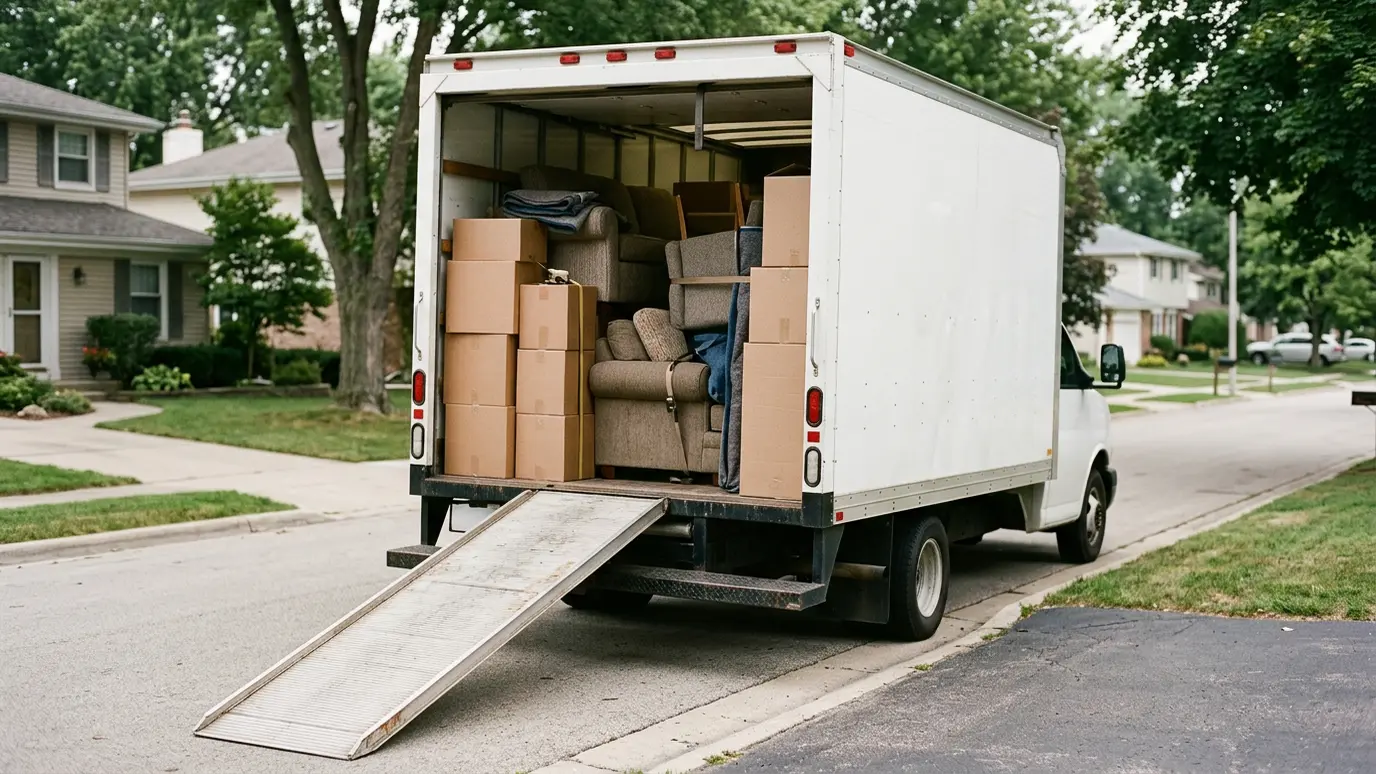
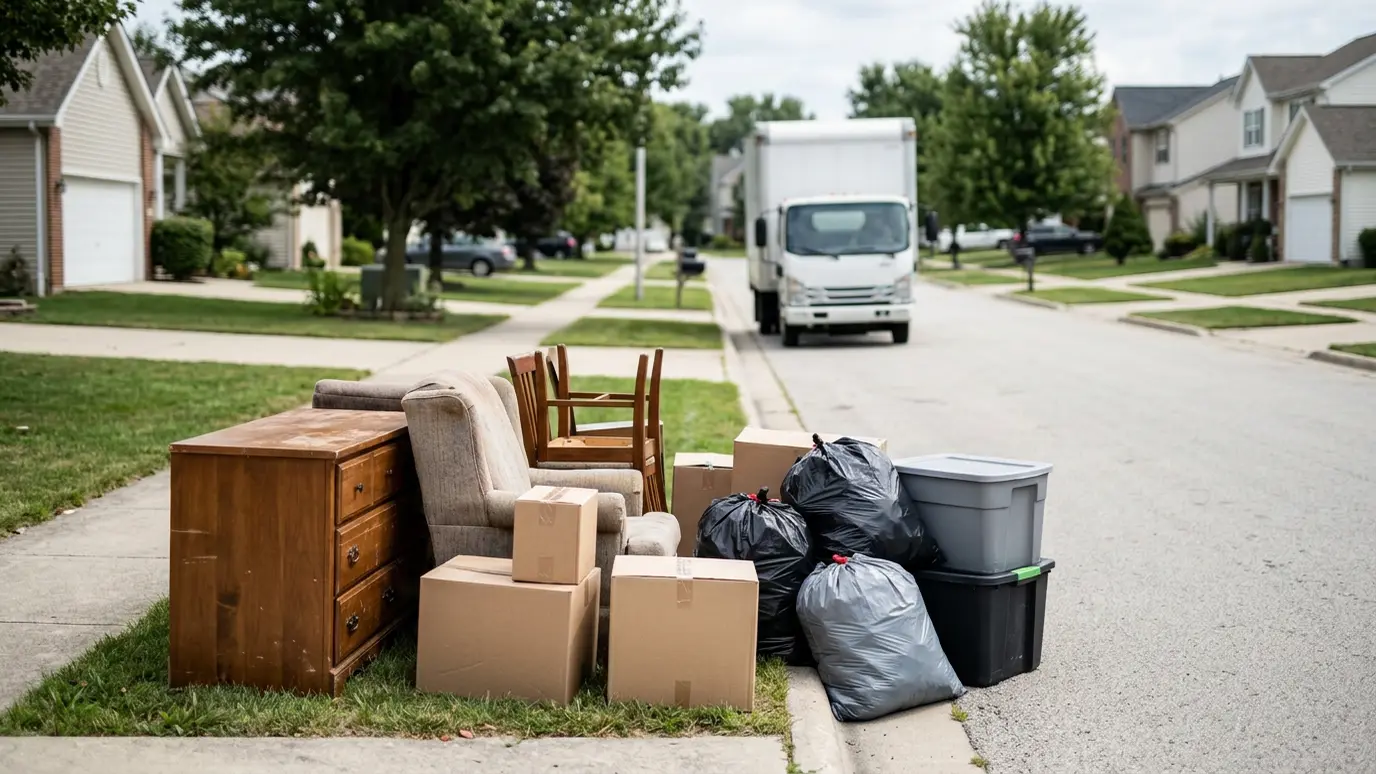
Most junk removal is priced by how much space your items take in the truck. A single item is the smallest job, and a full truck is the largest. Crews estimate in fractions of a truck, which is easy to picture and easy to compare.
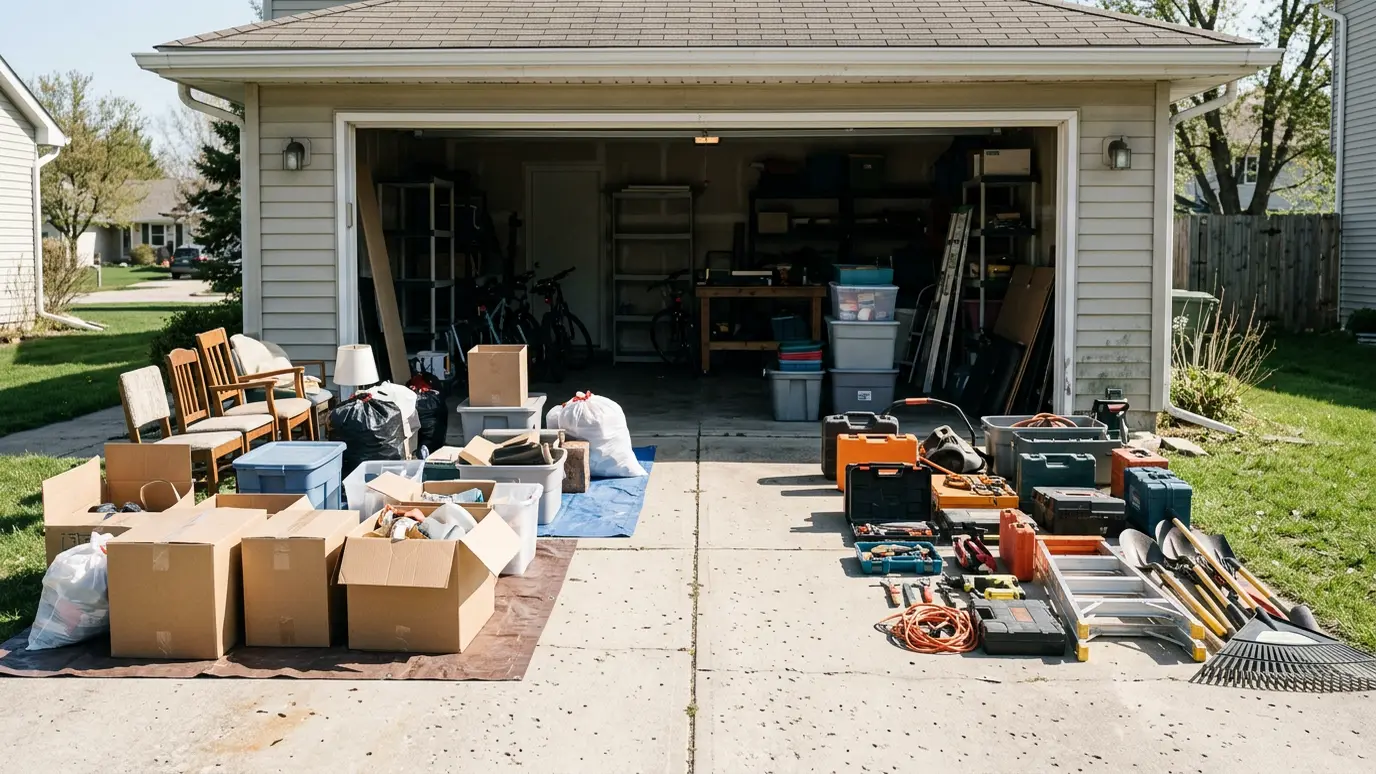
If you can describe the pile or send photos, a good company can give you a range before they arrive and a firm price on site.
Weight matters for heavy materials
Concrete, dirt, shingles, tile and wet yard waste weigh far more than furniture. A truck can be full by weight long before it is full by space, so heavy loads are priced differently or by the load.
Access changes the work
Stairs, long carries, tight doors and parking limits add time. A basement with narrow steps takes more effort than a garage with a wide door, and a fair quote reflects it.
Special items and handling
Refrigerators, mattresses, electronics and tires often have extra processing needs. Hazardous materials need a specialist. A clear quote tells you which items add handling and why.
Timing and scheduling
Same-day service, weekends and short-notice jobs can cost more because they disrupt a crew's schedule. Flexible timing often makes pricing easier.
How to compare quotes fairly
Compare the same scope: which items, how much space, what is included. Ask if the price is firm, whether it includes disposal fees and whether there are extra charges for stairs or heavy items. A written or texted quote is better than a phone guess.
Describe the job with photos, get a firm price before loading and compare scope, not just the number.